- 02 9226 2121
- info@extracareautos.com.au
- 1 Arkley St, Bankstown NSW 2200

Buying or importing a vehicle can involve more than registration and insurance. If you own an imported vehicle in Bankstown, Sydney or elsewhere in NSW, you may need to understand its compliance status, import approval, inspection requirements and registration process.
If you are searching for a vehicle compliance plate in Bankstown NSW, the first step is to understand which compliance pathway applies to your specific vehicle.
Extra Care Autos provides vehicle compliance services in Bankstown NSW for imported vehicles and can help you understand the appropriate next step.
NSW Government explains that vehicles manufactured from 2021 onwards may not have a traditional physical compliance plate or label, with relevant vehicle information available through the Register of Approved Vehicles (RAV). (NSW Government)
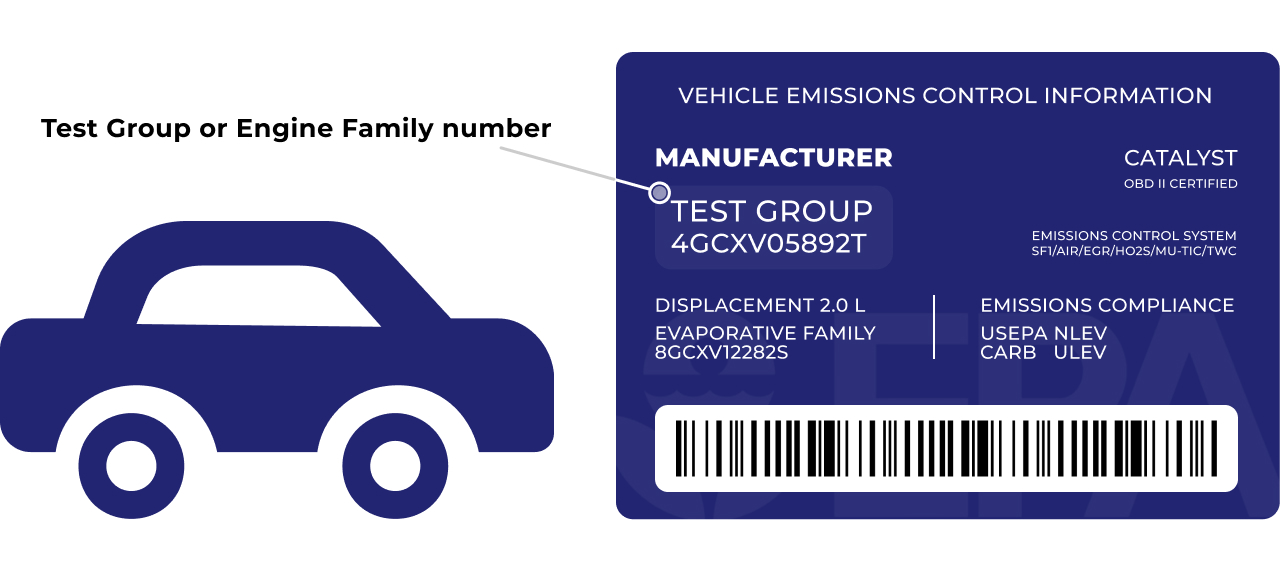
A vehicle compliance plate or label provides information showing that a vehicle complied with applicable Australian Design Rules at the relevant time.
For imported vehicles, the compliance date can be different from the vehicle’s manufacturing date. The location of a compliance plate can also vary depending on the vehicle.
Depending on the make and model, the plate or label may commonly be found in areas such as:
If you are checking an older imported or used vehicle, knowing the usual locations can help you determine whether the plate is actually missing or simply located somewhere you have not checked.
NSW Government provides guidance on compliance plate locations and vehicle compliance information. (NSW Government)
No. A physical compliance plate is not required in exactly the same way for every vehicle.
Vehicles manufactured from 2021 onwards may not have a traditional physical compliance plate or label. Relevant vehicle information can instead be recorded through the Register of Approved Vehicles (RAV). (NSW Government)
Before assuming that you need a replacement plate, check:
A missing physical compliance plate does not automatically mean that the vehicle is non-compliant.
The correct assessment depends on the age, history, import pathway and approval status of the vehicle.
The Register of Approved Vehicles (RAV) is part of Australia’s current vehicle approval system.
For vehicles covered by the relevant approval framework, the RAV contains important vehicle approval information.
The simplest way to understand the difference is:
Compliance plate: A physical plate or label used on applicable vehicles to show relevant compliance information.
RAV: A government register containing approval information for applicable vehicles.
For some newer imported vehicles, checking whether the vehicle has the correct approval and RAV information may be more important than looking for a traditional physical compliance plate.
You can read the current NSW guidance about compliance plates and RAV information on the NSW Government vehicle inspection and compliance guidance.
The answer depends on the vehicle and its approval pathway.
Imported vehicles may have specific import approval, compliance and inspection requirements before they can be registered in NSW.
NSW Government explains that imported vehicles need the applicable vehicle import approval and compliance documentation, followed by the relevant registration requirements. (NSW Government)
An imported vehicle’s requirements can depend on:
Instead of asking only:
“Does my imported car need a compliance plate?”
ask:
“What compliance and approval requirements apply to my specific imported vehicle?”
That question gives you a much more accurate starting point.
Japanese imported cars are popular across Sydney because of their availability, specifications and model variety.
However, a Japanese import must still meet the applicable Australian and NSW requirements before it can be registered for road use.
Depending on the vehicle and its import pathway, you may need to consider:
Extra Care Autos’ Japanese import compliance services can help you understand the appropriate compliance pathway for your imported vehicle.
Extra Care Autos also works with imported vehicles and Japanese cars for customers in Bankstown and surrounding Sydney areas.
A missing compliance plate can be concerning, particularly if you are buying, importing or registering a vehicle.
However, you should not automatically assume that the vehicle is illegal or non-compliant simply because a physical plate is not visible.
For some newer vehicles, particularly vehicles manufactured from 2021 onwards, relevant compliance information may be stored through RAV rather than displayed on a traditional physical plate. (NSW Government)
If you cannot find the plate, check:
Do not simply reproduce or modify a compliance plate without first confirming the vehicle’s compliance history and applicable requirements.
If you are unsure, get an imported vehicle compliance assessment from Extra Care Autos before arranging further work.
People often search for “replacement compliance plate NSW” when a plate is damaged, missing or unreadable.
The correct process depends on the vehicle, its compliance history and the applicable approval framework.
The vehicle’s VIN and identity should be confirmed.
Available historical compliance information should be checked where applicable.
The vehicle should be assessed to determine whether it falls under an applicable approval or RAV framework.
Not every vehicle with a missing physical plate needs the same solution. In some cases, the correct answer may involve checking existing government records rather than replacing a physical plate.
If you live in Bankstown, Chipping Norton, Revesby, Greenacre, Lakemba, Auburn or nearby Sydney suburbs, the first step should be to determine exactly what your vehicle requires.
Depending on the vehicle, you may need:
For vehicle compliance plate services in Bankstown NSW, Extra Care Autos can help assess your imported vehicle and identify the appropriate compliance pathway.
Vehicle compliance is only one part of registering an imported car.
NSW Government explains that imported vehicles require the applicable import approval and compliance requirements before registration, depending on the vehicle and its circumstances. (NSW Government)
Ensure the appropriate import approval is in place.
Meet the applicable vehicle compliance requirements.
Complete the relevant inspection requirements.
Prepare the required documentation and proof of entitlement.
Complete the registration application with the relevant NSW authority.
For additional details, see the NSW Government imported vehicle registration requirements.
If you are unsure whether your imported vehicle is ready for registration, contact Extra Care Autos to discuss your vehicle and compliance requirements.
An imported or overseas vehicle may require an inspection before registration depending on its circumstances.
Service NSW explains that personally imported vehicles can have inspection requirements such as AUVIS, with additional requirements potentially applying based on the import approval pathway. (Service NSW)
An inspection may help establish whether the vehicle meets the relevant safety, identification and registration requirements.
If an issue is found, repairs, modifications or additional certification may be required depending on the vehicle.
A compliance-related inspection can involve checking different aspects of a vehicle depending on the applicable inspection pathway.
Extra Care Autos can help with vehicle compliance assessment and inspection-related requirements for imported vehicles in Bankstown and surrounding areas.
Imported cars can sometimes require additional work before they are ready for registration.
Import and registration processes often depend on accurate documentation.
The VIN and vehicle identity information should match the relevant records.
Some modifications may require additional certification depending on their nature and the applicable rules.
An imported vehicle may need repairs or modifications before it satisfies the applicable requirements.
Older vehicles with missing compliance information may require additional investigation before registration.

Preparing your imported vehicle before an inspection can help reduce avoidable delays.
Make sure the VIN on the vehicle matches the available documentation.
Keep your Vehicle Import Approval and other relevant documents available.
For vehicles covered by the current approval framework, check the applicable RAV information using the VIN. (NSW Government)
Look for obvious issues involving:
If you are unsure whether your vehicle needs a compliance plate, import plate, inspection or certification, speak with Extra Care Autos about your imported vehicle compliance requirements before spending money on unnecessary work.

Vehicle compliance requirements can vary depending on the vehicle’s age, origin, import pathway, modifications and approval history.
That is why a Google search such as “where can I get a compliance plate for my car?” may not provide the complete answer.
Getting the right information first can help save time, money and unnecessary rework.
Extra Care Autos provides automotive services for vehicle owners in Bankstown and surrounding Sydney areas.
The business works with imported and Japanese vehicles and helps customers understand compliance, inspection and registration-related requirements.
Whether you are dealing with a missing compliance plate, Japanese import, inspection requirement or registration-related compliance question, Extra Care Autos’ vehicle compliance service in Bankstown NSW can help you understand the next step.
The service can be relevant to customers across areas such as:
If you are unsure about your imported vehicle’s compliance status, do not assume that a missing physical plate means the vehicle cannot be registered.
The correct requirements depend on the vehicle, its age and its approval pathway.
Contact Extra Care Autos for vehicle compliance assistance in Bankstown NSW →
A vehicle compliance plate or label provides information showing that a vehicle complied with applicable Australian Design Rules at the relevant time. Its location and format can vary depending on the vehicle.
Depending on the vehicle, a compliance plate may be located in the engine bay, front door area, door pillar, door opening or footwell.
A missing physical plate does not automatically mean that a vehicle is non-compliant. Some vehicles manufactured from 2021 onwards may not have a traditional physical compliance plate, with relevant information recorded through the RAV.
The process depends on the vehicle, its compliance history and the applicable approval framework. The vehicle should be assessed before arranging a replacement.
Not necessarily in every case. Requirements depend on the vehicle, manufacture date and import or approval pathway. Some newer vehicles may use RAV information rather than a physical compliance plate.
A compliance plate is a physical plate or label used on applicable vehicles, while the RAV is a register containing vehicle approval information for vehicles covered by the relevant system.
Japanese imported vehicles must meet the applicable Australian and NSW approval and registration requirements. The exact process depends on the vehicle and its import pathway.
Imported vehicles may require inspections before registration depending on their circumstances and import pathway. Personally imported vehicles can have specific inspection requirements.
You can contact Extra Care Autos for vehicle compliance assistance in Bankstown NSW and discuss your imported vehicle’s requirements.
Yes. Extra Care Autos provides imported vehicle compliance services in Bankstown NSW and can help identify the appropriate next step based on the vehicle and its circumstances.
If you are searching for a vehicle compliance plate in Bankstown NSW, the most important step is not simply finding a physical plate.
You need to determine whether your vehicle requires a physical compliance plate, import plate, RAV record, inspection, compliance certificate or another approval step.
For vehicles manufactured from 2021 onwards, a physical compliance plate may not be required because relevant vehicle information can be stored in the RAV. (NSW Government)
For imported vehicles, understanding the correct compliance pathway before registration can help avoid unnecessary delays and costs.