- 02 9226 2121
- info@extracareautos.com.au
- 1 Arkley St, Bankstown NSW 2200

Your car battery is one of the most important components of your vehicle. A weak or failing battery can leave you stranded at the worst possible time. The good news is—you can easily check your car battery health at home without needing advanced tools.
In this guide, we’ll walk you through simple and effective methods to test your car battery and keep your vehicle running smoothly.
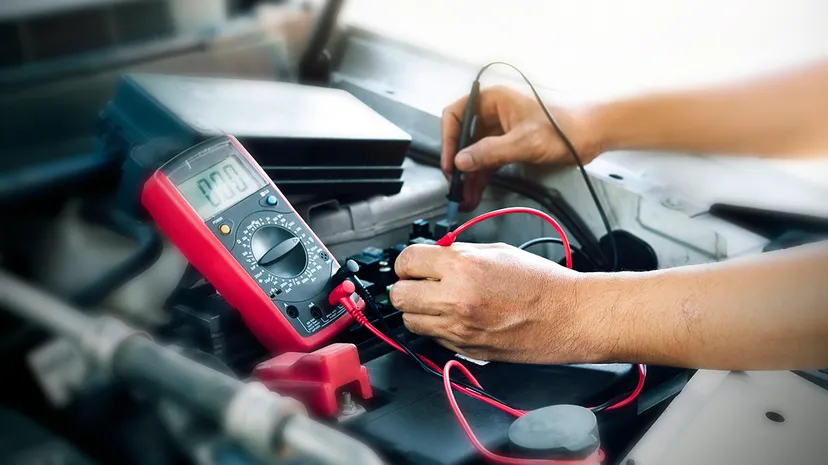
Regular battery checks help you:
Most car batteries last around 3–5 years, but factors like weather and driving habits can affect their lifespan.
Before testing, look out for these warning signs:
If you notice any of these, it’s time to test your battery.
This is the most accurate way to test battery health.
If you don’t have a multimeter, try this quick method.
A visual inspection can reveal a lot.
Check for:
If you see any of these, your battery may need replacement.
Start your car and listen carefully:
You can buy a battery tester for more detailed results. It measures:
You should consider replacing your battery if:
If you are unable to properly check your car battery health at home or you’re unsure about the results, it’s always best to get professional help.
👉 Visit Extra Care Auto for expert battery inspection and reliable automotive services to keep your car in top condition.
Testing your car battery at home is simple and can save you from unexpected problems. With basic tools and a few minutes, you can ensure your vehicle stays reliable and safe on the road.
Regular maintenance is key—don’t wait until your battery fails completely!